
Global Belonging CollaborativeAbout Us
About the Collaborative.
Researchers, practitioners and community leaders working globally to advance belonging as an essential human need, a core human right, and a central condition for cohesive and resilient societies.
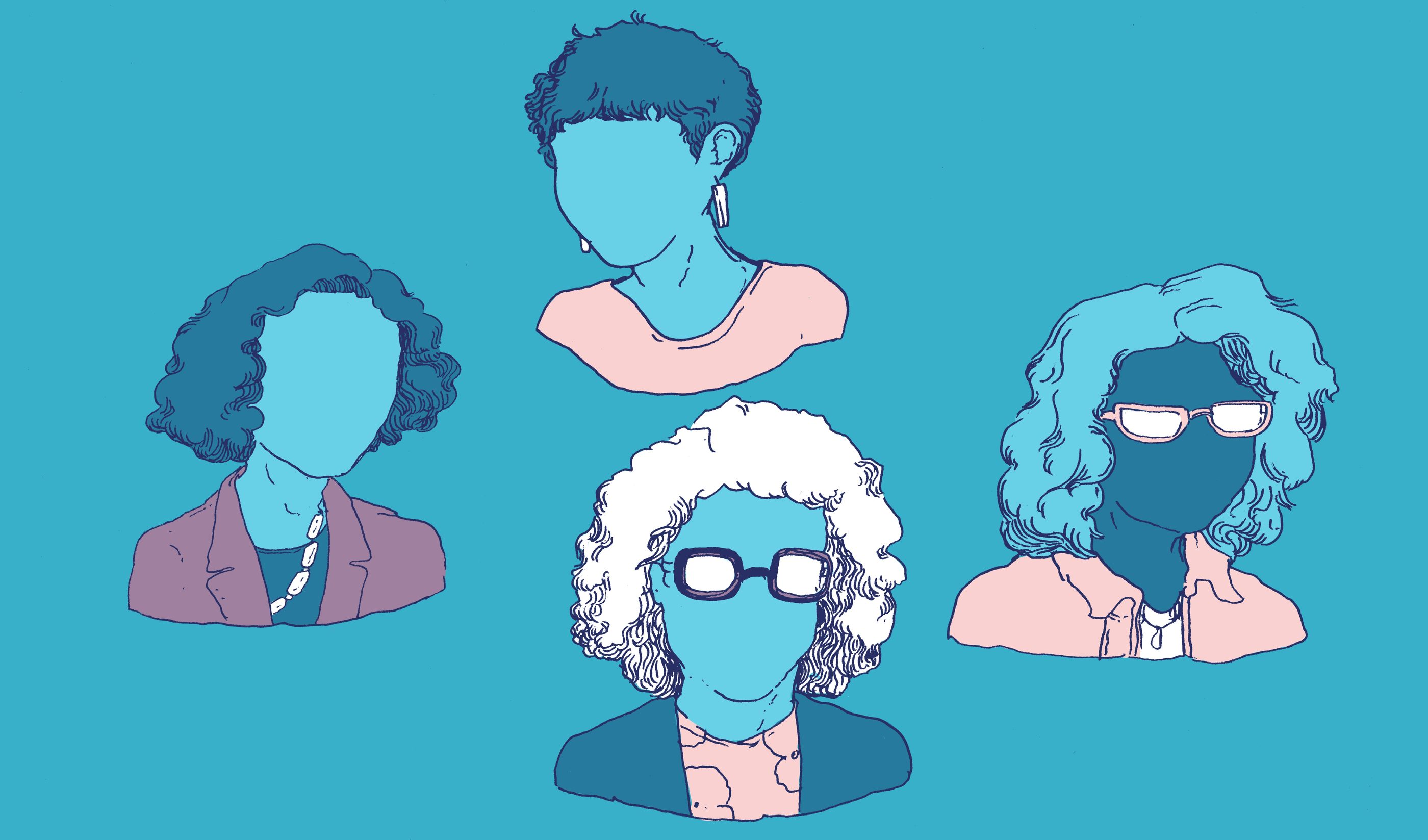

Belonging is a fundamental human need, but it is also a core human right, and a foundational condition for social cohesion.
The Global Belonging Collaborative
About
A need that transcends culture, religion, race and location.
Human beings have a core sense of, and need for, belonging that is intrinsic and universal, and that transcends culture, religion, race, and location. This fundamental need governs our brains, immune systems, and behaviour, and remains a cornerstone of healthy individuals, communities, and societies. Belonging shapes how people understand themselves in relation to others and how they participate in shared social life.
In the present moment, belonging carries heightened significance. Belonging is increasingly threatened by polarisation, displacement, and inequality. Belonging now operates under pressure across families, communities, institutions, and nations, with implications that extend beyond individual experience to collective functioning.
A strong sense of belonging supports life satisfaction and safe communities. It also underpins cooperation, care for others, and engagement with shared responsibilities. Where belonging is strained, patterns of isolation, alienation, hopelessness, loneliness, and distrust become more prevalent. These experiences are closely associated with anxiety, depression, suicidality, and physical illness, and they also shape how people relate to difference, authority, and one another.
Belonging functions as a social stabilising force. It influences whether people invest in relationships, participate in community life, and act with concern for collective wellbeing. In a time of fragmentation and uncertainty, belonging plays a role in sustaining social cohesion and resilience.
The Global Belonging Collaborative was conceptualised to unite researchers, changemakers and practitioners, so that belonging research can be truly effective beyond borders and beyond barriers.
Professor Kelly-Ann AllenLead Director, Global Belonging Collaborative
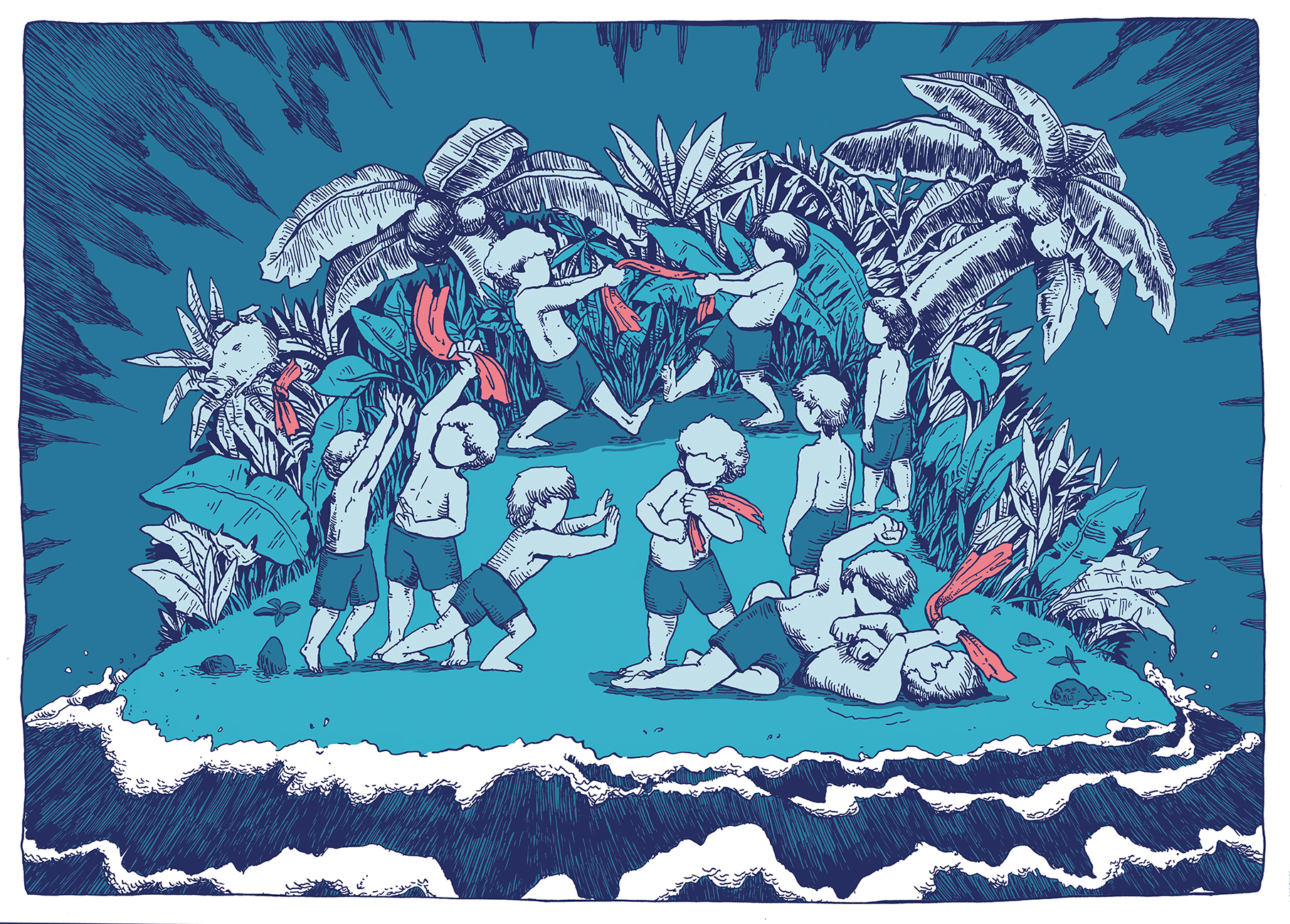
Where belonging is strained, patterns of isolation, alienation and distrust become more prevalent.
Mission
Why we exist.
The Global Belonging Collaborative exists to address rising social fragmentation by strengthening the conditions that support social cohesion, trust, and collective wellbeing. Its core goal is to advance belonging as an essential human need, a core human right, and a central condition for cohesive and resilient societies.
The Collaborative seeks to position belonging as a practical and ethical lever for reducing polarisation, discrimination, and social division, and for supporting communities to respond to shared challenges at local, national, and global levels.
Five linked objectives.
The Collaborative works toward this goal through five linked objectives.
- 01
Build the evidence base by advancing rigorous, interdisciplinary research that clarifies how belonging operates across individual, relational, community, and global levels, with particular attention to its role in social cohesion and fragmentation.
- 02
Design, validate, and disseminate measures and methods that allow belonging to be assessed, tracked, and strengthened across cultures and settings, including the Global Belonging Scale and applied intervention tools.
- 03
Embed Indigenous-led perspectives, ethical governance, and responsibilities to place and community within theory development, research practice, and knowledge translation.
- 04
Support the application of belonging science through co-designed interventions, policy-relevant outputs, and accessible resources for education systems, communities, and public institutions.
- 05
Build global collaboration and capacity by connecting researchers, practitioners, and communities across countries and disciplines to share knowledge, develop collective capability, and strengthen global responses to social fragmentation.
Places to visit.
 The MuseumBelonging as people live it, shared as an exhibition.
 The LibraryOpen access research on belonging, free to read.
 The ObservatoryHow the languages of the world define belonging.
 BlindspotsOur special issue on what belonging research keeps missing.
 MeasuresFree measures of belonging, gathered in one place.
 The Quiet RoomA place to reflect on your own belonging and plan where to grow.
Our people
The people behind the Collaborative.
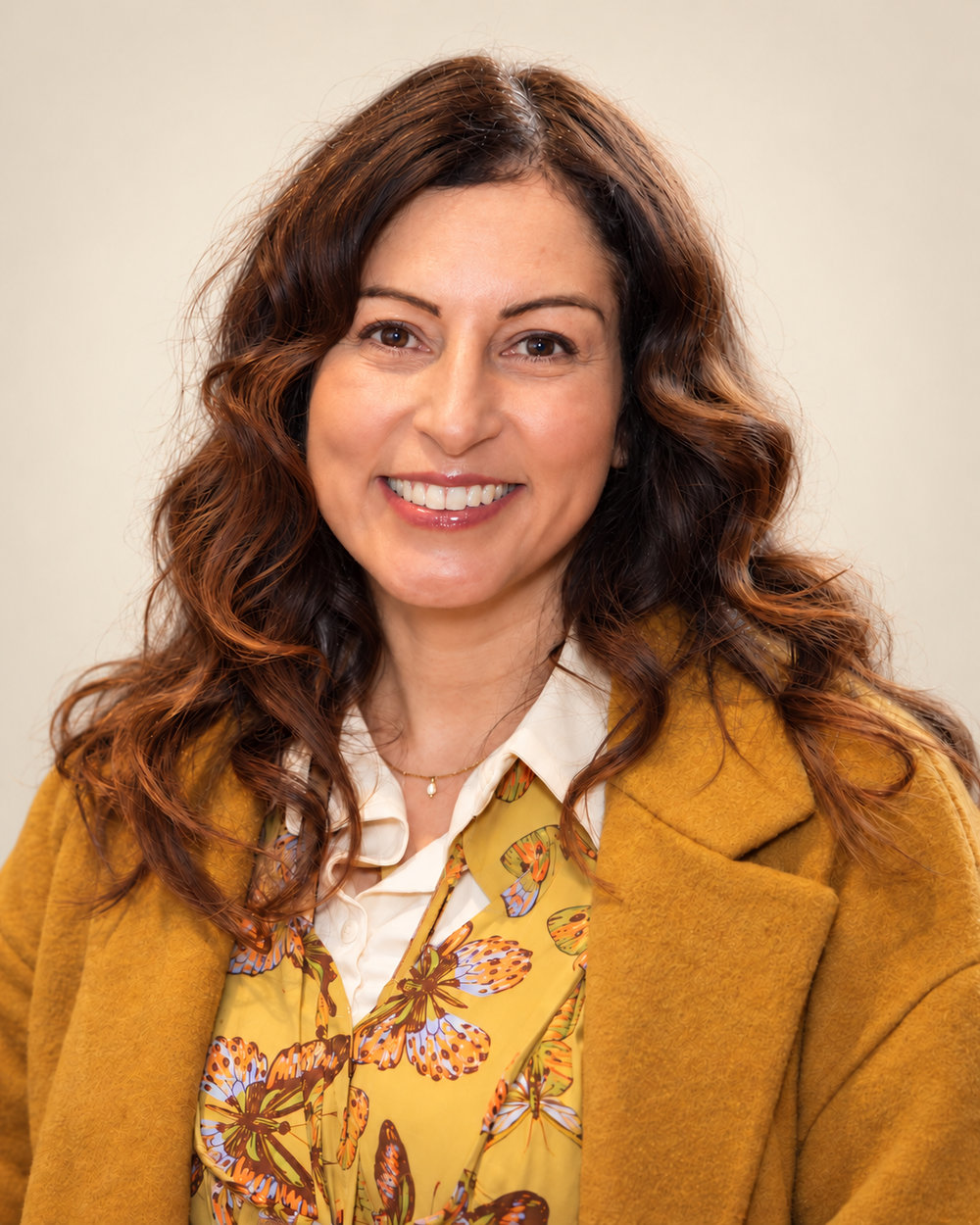
Lead Director
Professor Kelly-Ann Allen
Kelly-Ann Allen is Professor of Belonging Science at Monash University and Lead Director of the Global Belonging Collaborative. She is a Clinical Psychologist and an Educational and Developmental Psychologist, as well as a Fellow of the Australian Psychological Society.
She is the Icons of Change Ambassador for Australia for United Nations Sustainable Development Goal 3, Good Health and Wellbeing.
Distinguished Advisors
Senior scholars who advise the Collaborative in their fields of expertise.
- George SlavichDistinguished Advisor, Social Safety, Stress and Health
United States - Christopher RozekDistinguished Advisor, Statistics and Methods
United States - Victor CountedDistinguished Advisor, Flourishing, Place and Hope
United States - DeLeon GrayDistinguished Advisor, Belonging and Motivation in Education
United States - Samina BanoDistinguished Advisor, Social Connection
India - Gökmen ArslanDistinguished Advisor, Positive Psychology and Youth Wellbeing
Türkiye - Emma-Jaye GavinDistinguished Advisor, Indigenous Politics and Truth-telling
Australia - Ilya MandelDistinguished Advisor, Astrophysics
Australia
International Council for Science and Impact
Researchers and practice leaders from around the world who guide the Collaborative's science and carry it into communities.
- Bonnie BozorgCouncil Member, Science
Iran - Christopher BoyleCouncil Member, Science
Australia - Peggy KernCouncil Member, Science
Australia - Hesam MohseniCouncil Member, Science
Finland - Kathryn RileyCouncil Member, Science
United Kingdom - Erica FrydenbergCouncil Member, Science
Australia - Christopher SlatenCouncil Member, Science
United States - Roy BaumeisterCouncil Member, Science
Australia and United States - Margaret CostelloCouncil Member, Science
United States - Michael FurlongCouncil Member, Science
United States - Shira GabrielCouncil Member, Science
United States - Annie GowingCouncil Member, Science
Australia - John HattieCouncil Member, Science
Australia - Divya Jindal-SnapeCouncil Member, Science
United Kingdom - Mark LearyCouncil Member, Science
United States - Saeed Pahlevan SharifCouncil Member, Science
Malaysia - Andrea ReupertCouncil Member, Science
Australia - Hamid Sharif NiaCouncil Member, Science
Iran - Alan TilbrookCouncil Member, Science
Australia - Dianne Vella-BrodrickCouncil Member, Science
Australia - Greg WaltonCouncil Member, Science
United States - Mohammed ElmeskiCouncil Member, Practice and Impact
Morocco and United States - Esther JiyaCouncil Member, Practice and Impact
Malawi - Sue RoffeyCouncil Member, Practice and Impact
United Kingdom - David CappoCouncil Member, Practice and Impact
YouBelong, Uganda - Prakhar SrivastavaCouncil Member, Science
India - Gustavo Kastien TartaroCouncil Member, Science
Brazil
Research Associates
Research associates who carry the Collaborative's work forward.
- Ebony MelzakResearch Associate
Australia - Shiqi DongResearch Associate
Australia - Thuy-Anh (Ann) NguyenResearch Associate
Australia - William WartonResearch Associate
Australia - Gabrielle SkrekovskiResearch Associate
Australia - Duyen VoResearch Associate
Australia - Tayyaba Muhammad AkramResearch Associate
Pakistan - Sayed Ebrahim MubasheerResearch Associate
India - Ahmed AlharfiResearch Associate
Australia - RLRuijia LiuResearch Associate
Australia - Tehreem FatimaResearch Associate
Australia - Shoronya MajumderResearch Associate
- Assi Jules-Cesar AnonResearch Associate
India
Artist in Residence
Every illustration across the Global Belonging Collaborative is drawn by Gwen Stok.